

Quick Summary:
- Men over 40 lose 1-2% of testosterone per year, and personalized nutrition with a 40/30/30 carb/protein/fat macro split can offset metabolic decline and support hormonal health far more effectively than generic diets.
- Generic diet advice fails men after 40 because it ignores insulin sensitivity changes, declining muscle protein synthesis rates, and the specific micronutrient demands (zinc, magnesium, vitamin D) required for testosterone production.
- Evidence-based testosterone-supporting foods like zinc-rich oysters, vitamin D-rich fatty fish, and magnesium-loaded spinach can naturally boost hormone levels by 15-46% when properly integrated into a personalized nutrition plan.
- Why Generic Diet Advice Fails Men Over 40
- The Metabolic Shift: What Changes After 40
- How Personalized Nutrition Supports Testosterone
- Best Foods for Men Over 40: Comparison Table
- Building Your Personalized Nutrition Plan
- 5 Common Nutrition Mistakes That Sabotage Results
- Making Personalized Nutrition Sustainable
- Frequently Asked Questions
- Final Thoughts
Why Generic Diet Advice Fails Men Over 40
Here is what the mainstream fitness industry will not tell you: the same nutrition advice that worked for you at 25 is actively working against you at 45. I learned this the hard way during the first six months of my own transformation, when I followed a standard “clean eating” plan and watched my energy levels tank while my body composition barely budged.
The $71 billion diet industry sells one-size-fits-all programs because they are easy to market. But the science tells a different story. A 2024 review in Nutrients confirmed that hormonal balance modulation requires gender-specific and age-specific dietary approaches, not generic calorie-counting templates (Mazza et al., 2024). Men over 40 face a unique combination of declining testosterone, shifting insulin sensitivity, and accelerating muscle loss that makes personalized nutrition not just preferable, but necessary.
When I started working with my online coach, the first thing he did was throw out every “standard” macro split I had been following. That single change, moving from generic recommendations to a personalized nutrition approach based on my bloodwork and activity level, made more difference in three months than a year of eating “clean” ever did.
The Metabolic Shift: What Changes After 40
Understanding why personalized nutrition matters starts with understanding what actually changes in your body after 40. It is not just about “slowing metabolism,” although that is part of it. The shifts are hormonal, metabolic, and cellular, and they interact in ways that generic diet plans completely ignore.
Testosterone and Hormonal Changes
Testosterone declines by approximately 1-2% annually starting around age 30, and by the time you hit 45, the cumulative effect becomes impossible to ignore (Abdel-Sater, 2025). Lower testosterone does not just affect libido and muscle. It reduces your basal metabolic rate, changes how your body partitions nutrients between fat and muscle, and alters your insulin sensitivity.
What most generic diet plans miss is that testosterone production requires specific nutritional building blocks. Cholesterol is the precursor molecule, zinc is essential for the enzymatic conversion, and vitamin D functions as a hormone that regulates the entire process. Without adequate intake of these nutrients, no amount of calorie manipulation will optimize your hormonal health.
Insulin Sensitivity and Blood Sugar
After 40, insulin sensitivity decreases measurably. Your cells become less responsive to insulin, meaning your body needs to produce more of it to manage the same amount of glucose. Research shows that just 75 grams of sugar triggers a 25% decrease in testosterone levels that persists for up to two hours. For men over 40, this creates a vicious cycle: poor blood sugar management lowers testosterone, which further impairs metabolic function.
I track my own blood glucose with a continuous glucose monitor, and the data was eye-opening. My glucose response to the same meal varies dramatically based on sleep quality, stress levels, and exercise timing. That variability alone proves why a rigid, one-size-fits-all diet simply cannot work.
Muscle Protein Synthesis Decline
After 40, your body becomes less efficient at converting dietary protein into muscle tissue, a phenomenon researchers call “anabolic resistance.” This means you need both higher protein intake and more strategic timing to maintain the same muscle mass. The standard recommendation of 0.8g per kilogram of body weight is woefully inadequate for men over 40 trying to maintain or build muscle. Current evidence supports 1.6-2.2g per kilogram for active men in this age group.
How Personalized Nutrition Supports Testosterone
The connection between what you eat and your testosterone levels is far more direct than most men realize. Personalized nutrition for hormonal optimization is not about following a “testosterone diet” you found online. It is about understanding which specific nutrients your body needs, in what quantities, and when.
The Critical Micronutrients
Zinc is arguably the most important mineral for testosterone production. A landmark study at Wayne State University found that restricting zinc intake in young men reduced testosterone by nearly 75% over 20 weeks, while zinc supplementation in older men with marginal deficiency nearly doubled their levels (Chandana & Maurya, 2024). Oysters, beef, and pumpkin seeds are the best whole-food sources.
Magnesium binds to sex hormone-binding globulin (SHBG), freeing up more testosterone to be biologically active. Most men over 40 are deficient without knowing it. Spinach, almonds, and dark chocolate (85% cacao or higher) are excellent sources.
Vitamin D functions more like a hormone than a vitamin, directly regulating testosterone synthesis. A 2024 study confirmed that men with adequate vitamin D levels (above 30 ng/mL) had significantly higher free testosterone than those who were deficient. Fatty fish like salmon and sardines are top sources, though supplementation is often necessary, especially in northern latitudes. Living in Switzerland, I supplement with 4,000 IU daily from October through March.
The Macronutrient Balance for Men Over 40
After two years of experimenting and tracking, I have settled on a macro split that works exceptionally well as a starting framework for men over 40: roughly 40% carbohydrates, 30% protein, and 30% fats. But here is the key insight that makes this personalized nutrition rather than another generic prescription: these ratios are your starting point, not your destination.
Research warns that high-protein diets exceeding 35% of total calories can actually decrease total testosterone levels. Meanwhile, dietary fat is essential for hormone production, with evidence suggesting 20-40% of calories should come from fat for optimal testosterone. The sweet spot varies individually based on your activity level, training intensity, body composition goals, and metabolic health markers.
Best Foods for Men Over 40: Comparison Table
Not all “healthy” foods deliver equal value for men over 40. Here is how the top testosterone-supporting and metabolism-boosting foods compare:
| Food | Key Nutrients | Testosterone Support | Best For |
|---|---|---|---|
| Oysters | Zinc (74mg per serving) | High: direct testosterone precursor | Zinc-deficient men |
| Wild Salmon | Omega-3, Vitamin D, Protein | High: reduces SHBG, anti-inflammatory | Overall hormonal balance |
| Whole Eggs | Cholesterol, Choline, B12 | High: cholesterol is testosterone precursor | Daily hormone building blocks |
| Spinach | Magnesium, Iron, Folate | Moderate: frees bound testosterone | Magnesium deficiency |
| Beef (grass-fed) | Zinc, B12, Creatine, Iron | Moderate: complete nutrient profile | Muscle maintenance |
| Avocado | Monounsaturated fats, K2 | Moderate: supports hormone synthesis | Healthy fat intake |
| Pomegranate | Antioxidants, Polyphenols | Moderate: protects Leydig cells | Oxidative stress reduction |
| Brazil Nuts | Selenium (544mcg per 28g) | Moderate: selenium aids conversion | Thyroid and testosterone |
I incorporate most of these into my weekly rotation. The combination of oysters twice a week, daily eggs, and regular salmon has been a cornerstone of my personalized nutrition plan for the past 18 months.
Building Your Personalized Nutrition Plan
A truly personalized nutrition plan is not something you download from a fitness influencer. It is built in three phases, each informed by actual data about your body.
Phase 1: Assessment and Baseline
Before changing anything, you need data. Get baseline bloodwork that includes total and free testosterone, SHBG, fasting insulin, HbA1c, vitamin D, zinc, and magnesium. Track your current eating patterns for two weeks without trying to “eat clean,” just eat normally and log everything. I use MyFitnessPal for macro tracking and review my data weekly.
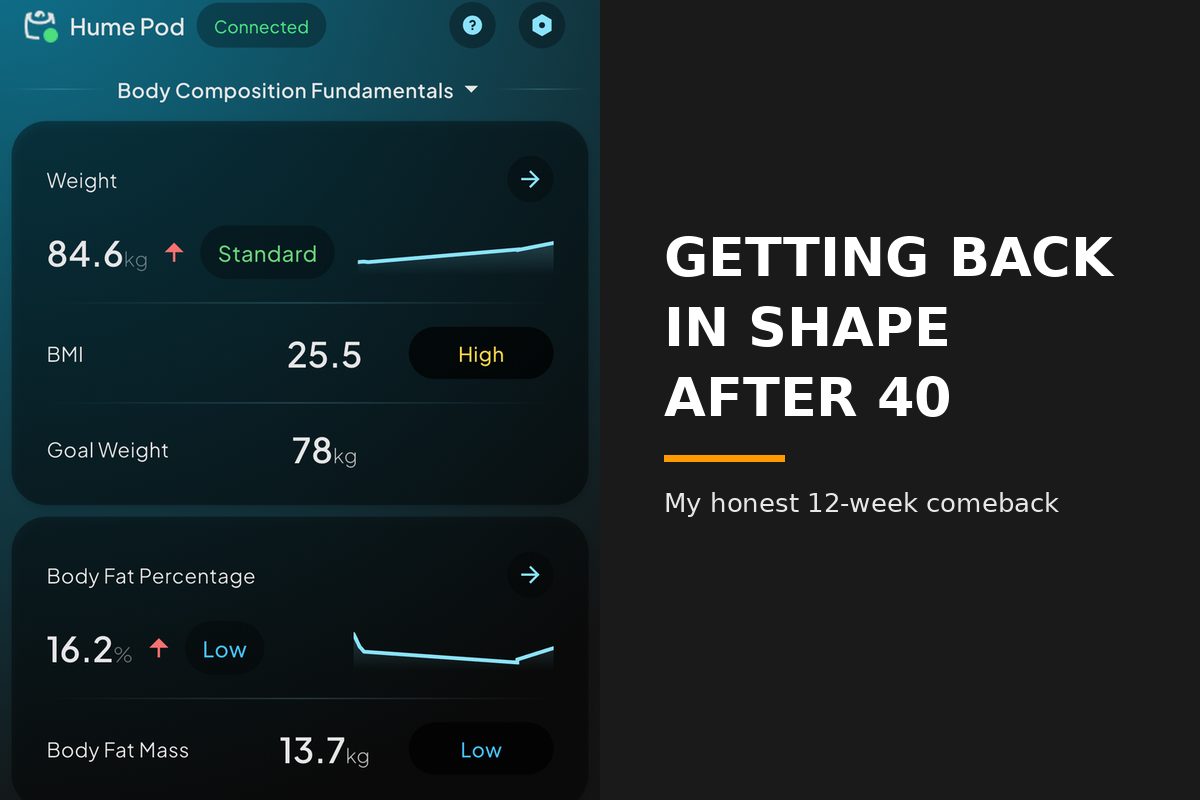
Your body composition matters too. Get a DEXA scan or use a reliable bioimpedance scale to establish your starting point for lean mass, body fat percentage, and visceral fat. These numbers will guide your caloric targets far more accurately than any online calculator.
Phase 2: Strategic Implementation
Start with the 40/30/30 macro framework and adjust based on your bloodwork and goals. If your testosterone is low, consider increasing healthy fats to 35% while reducing carbs. If insulin sensitivity is compromised, shift toward more complex carbohydrates and pair your carb intake with strength training sessions. The key is making one change at a time and measuring the impact over 4-6 weeks.
Meal timing also matters more after 40. Both low-calorie and Mediterranean-style dietary patterns have been shown to improve insulin resistance and enhance cellular sensitivity within four weeks. I eat my largest meal within two hours of my training session and keep protein distributed across 4-5 meals throughout the day, with at least 30g per sitting to overcome anabolic resistance.
Phase 3: Monitoring and Refinement
Personalized nutrition is never “set and forget.” Retest bloodwork every 3-4 months. Track body composition monthly. Monitor subjective markers daily: energy levels, sleep quality, recovery speed, mood, and libido. These soft signals often predict hormonal changes before blood tests confirm them.
The future of personalized nutrition is moving toward continuous biomarker monitoring, with emerging technologies enabling affordable, frequent hormone and metabolic testing. Until those become mainstream, the combination of quarterly bloodwork and daily subjective tracking gives you more than enough data to keep refining your approach.
5 Common Nutrition Mistakes That Sabotage Results After 40
After two years of coaching conversations and my own trial and error, these are the mistakes I see men over 40 make most often with their nutrition:
1. The “Clean Eating” Trap
Eating “clean” without tracking macros is like driving without a GPS. You might be heading in the right direction, but you have no idea if you will arrive. I have seen men eat nothing but chicken breast, brown rice, and broccoli and still fail to lose fat because their total caloric intake was wrong for their metabolic rate. Personalized nutrition means precision, not just food quality.
2. The Supplement Shotgun Approach
Spending hundreds on supplements while your diet is mediocre is backwards. The supplement industry thrives on men over 40 looking for shortcuts. The evidence-based exceptions are limited: vitamin D (if deficient), magnesium (if deficient), creatine monohydrate (strong evidence for muscle and cognitive function), and omega-3s (if you do not eat fatty fish regularly). Everything else is noise until your whole-food nutrition is dialed in.
3. Ignoring Alcohol’s Impact
This is the uncomfortable truth nobody in the fitness industry wants to talk about. Regular alcohol consumption directly suppresses testosterone production, disrupts sleep architecture (destroying your recovery), and adds empty calories that crowd out nutritious foods. I am not saying never drink. I am saying that if testosterone optimization is your goal, alcohol is the single biggest saboteur that most men refuse to address. Even moderate drinking (2-3 drinks per week) has measurable effects on hormone levels after 40.
4. Undereating Protein
The standard RDA for protein (0.8g/kg) was established for sedentary individuals looking to avoid deficiency, not for active men over 40 trying to maintain muscle mass. If you are training seriously, you need at least double that amount. Building or maintaining muscle after 40 requires a deliberate protein strategy, not just hoping you “eat enough.”
5. Neglecting Stress-Nutrition Connection
Cortisol and testosterone have an inverse relationship. When cortisol is chronically elevated from work stress, poor sleep, or overtraining, your body literally prioritizes stress hormones over sex hormones. Specific foods can help manage this: dark chocolate (85%+ cacao) reduces cortisol production, green tea provides L-theanine for calm focus, and omega-3 fatty acids have anti-inflammatory effects that help regulate the stress response. Personalized nutrition accounts for your stress load, not just your macros.
Making Personalized Nutrition Sustainable
The best nutrition plan is the one you can actually follow. As a marketing executive with two kids and a demanding schedule, I need my nutrition strategy to work around my life, not the other way around. Here is what sustainability looks like in practice:
Batch cooking is non-negotiable. I spend about 90 minutes on Sunday preparing proteins and complex carbs for the week. This eliminates the “I will just grab something quick” trap that derails most nutrition plans. Smart grocery templates based on your personalized nutrition targets mean you never stand in a supermarket wondering what to buy. Strategic supplementation fills the gaps that whole foods cannot cover practically, especially for vitamin D in winter months and magnesium, which is difficult to get enough of through food alone.
The economic argument for personalized nutrition is stronger than most people realize. Targeted whole-food purchases and a small supplement budget cost less per month than the random supplement stacks, meal delivery services, and wasted groceries that come with an unplanned approach. Combining your nutrition strategy with a structured training program multiplies the results of both.
Frequently Asked Questions
What is personalized nutrition and why does it matter after 40?
Personalized nutrition is an evidence-based approach to eating that tailors macronutrient ratios, micronutrient targets, meal timing, and food choices to your individual biology, goals, and lifestyle. It matters after 40 because hormonal changes, declining insulin sensitivity, and reduced muscle protein synthesis mean that generic diet advice becomes progressively less effective with age.
How much protein do men over 40 actually need?
Active men over 40 should consume 1.6-2.2 grams of protein per kilogram of body weight daily, distributed across 4-5 meals with at least 30g per sitting. This is roughly double the standard RDA of 0.8g/kg, which was designed for sedentary individuals and is inadequate for maintaining muscle mass after 40.
Can diet alone boost testosterone levels?
Diet is one of the most powerful levers for testosterone optimization, but it works best in combination with strength training, adequate sleep (7-9 hours), and stress management. Specific nutrients like zinc, magnesium, and vitamin D are direct testosterone precursors, and evidence-based foods can boost levels by 15-46% when combined with the right lifestyle factors.
What are the best foods for testosterone after 40?
The top evidence-based testosterone-supporting foods are oysters (highest food source of zinc), wild salmon (vitamin D and omega-3s), whole eggs (cholesterol precursor for hormone synthesis), spinach (magnesium), grass-fed beef (zinc and B12), and pomegranate (antioxidant protection for hormone-producing cells).
How long does it take to see results from personalized nutrition?
Most men notice subjective improvements in energy, sleep quality, and recovery within 2-4 weeks of implementing a personalized nutrition plan. Measurable changes in body composition typically appear at 6-8 weeks, while significant hormonal improvements show up in bloodwork at the 3-4 month mark. Both low-calorie and Mediterranean dietary patterns have been shown to improve insulin resistance within just four weeks.
Final Thoughts
The evidence is clear: men over 40 need a fundamentally different nutritional approach than what worked in their twenties and thirties. Personalized nutrition is not a trend or a marketing gimmick. It is the logical response to the real hormonal, metabolic, and physiological changes your body goes through after four decades.
Start with bloodwork. Build your baseline. Implement the 40/30/30 framework and adjust based on your data. Track, measure, and refine every 4-6 weeks. This is exactly the approach that transformed my own body composition and energy levels over the past two years, and the same methodology I now use as a coach with other men navigating the same challenges. Your forties do not have to mean decline. With the right personalized nutrition strategy, they can be the decade you finally get this right.
Personalized nutrition is the single biggest lever men over 40 can pull for testosterone, metabolism, and long-term health. Here is why generic diets fail after 40, and what actually works based on the latest evidence.
References:
- Abdel-Sater, K.A. (2025). Testosterone in long-term sedentary aging males: Effect of antiaging strategies. Physiology International, 112(1), 1-11.
- Mazza, E., et al. (2024). Obesity, Dietary Patterns, and Hormonal Balance Modulation: Gender-Specific Impacts. Nutrients, 16(11), 1629.
- Chandana, S., & Maurya, N.K. (2024). Nutritional influences on hormonal homeostasis: Exploring mechanisms and implications. International Journal of Food Science and Nutrition, 9(2), 1-5.
- Al-Zoubi, R.M., et al. (2021). A systematic review on the latest developments in testosterone therapy. Arab Journal of Urology, 19(3), 370-375.
- Whittaker, J., & Wu, K. (2021). Low-fat diets and testosterone in men: Systematic review and meta-analysis of intervention studies. The Journal of Steroid Biochemistry and Molecular Biology, 210, 105878.
Get my free body transformation blueprint
My Body Transformation Blueprint: the exact 4-phase framework I used to drop 14 kg (31 lb) of body fat as a busy man over 40. Enter your email and I will send you the PDF straight away.
No spam. Unsubscribe in one click. Privacy-first and GDPR compliant.

Leave a Reply